
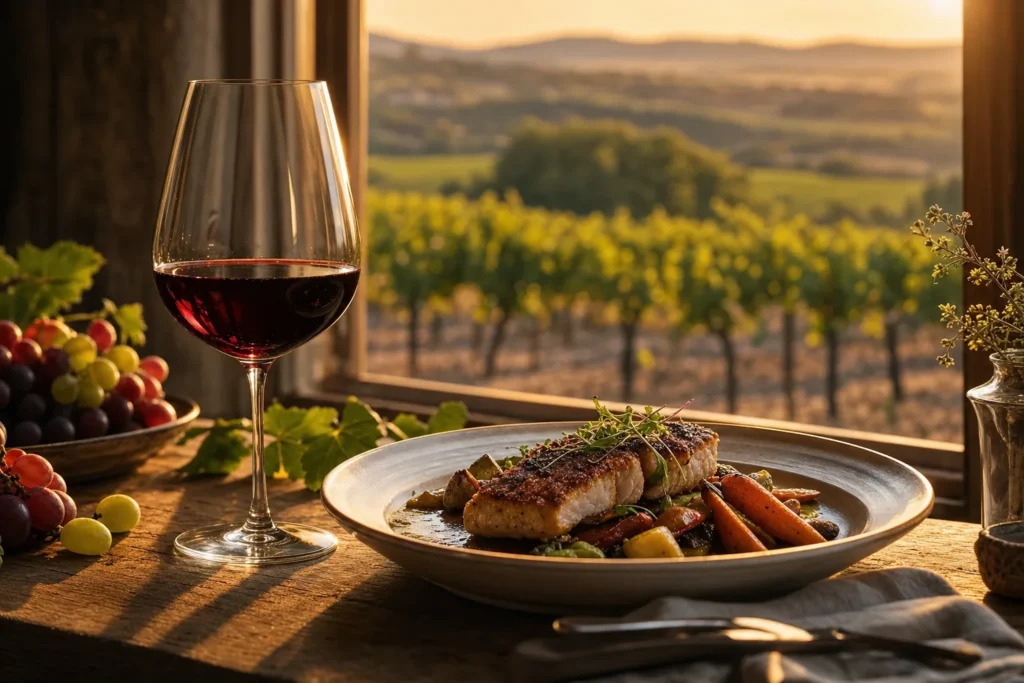
Understanding Wine and Food Pairing Basics
Wine and food pairing is both an art and a science. The goal is simple: choose wines that complement or enhance your meal, creating a harmonious dining experience where neither the food nor the wine overwhelms the other. When done well, they elevate each other. When rushed, either can fall flat.
The beauty of wine pairing is that there are no rigid rules, only guidelines grounded in flavor chemistry and tradition. A wine’s acidity, tannins, body, and flavor profile all play a role in how it interacts with food. Understanding these elements helps you make confident choices, whether you’re planning a casual dinner or a special celebration.
The Role of Acidity and Tannins
Acidity in wine acts like a palate cleanser. Wines with higher acidity cut through rich, fatty foods and refresh your mouth between bites. A crisp white wine or a dry rosé works beautifully with creamy sauces, buttery fish, or soft cheeses because the acidity keeps the pairing balanced.
Tannins, found primarily in red wines, are compounds that create a drying sensation in your mouth. They bind with proteins in meat and hearty dishes. This is why a full-bodied red wine pairs so naturally with a steak or a rich beef stew. The tannins soften as they interact with the fat and protein, creating a pleasant mouthfeel.
When you choose a wine with the right level of acidity or tannins, you’re not just pairing flavors. You’re using the wine’s structure to balance the dish and enhance the overall meal experience.
How to Pair Wine with Food by Flavor Profile
Matching flavors is the most intuitive approach. Wines and foods with similar flavor profiles often work well together. For example:
- Light, delicate white wines pair with mild, buttery flavors (think sole with lemon butter)
- Herbaceous wines match herb-forward dishes (Sauvignon Blanc with basil-crusted chicken)
- Fruit-forward reds complement dishes with berry sauces or mushroom-based preparations
- Full-bodied wines suit bold, spiced, or smoked flavors
The key is to think about the dominant flavors in both the wine and the dish. Does the wine echo the spices? Does it complement the main protein? Will the pairing create harmony or clash?
Wine Pairing Guide: Classic Combinations That Work
If you’re new to wine pairing, these time-tested combinations are reliable starting points:
- Pinot Noir with salmon or duck: The wine’s earthiness and moderate tannins suit these proteins perfectly
- Chardonnay with chicken or shellfish: Creamy body and acidity balance lighter proteins
- Sauvignon Blanc with goat cheese or fresh vegetables: Herbaceous notes enhance fresh, bright flavors
- Cabernet Sauvignon with beef or lamb: Full body and structure stand up to hearty meats
- Riesling with spicy Asian cuisine: Slight sweetness and acidity tame heat beautifully
- Zinfandel with pizza or barbecue: Fruit-forward and bold enough for smoky, tangy flavors
These pairings succeed because they respect the fundamental principles of matching weight with weight, acidity with richness, and flavor with flavor.
Wine Pairing Basics for Cooking Ingredients
You don’t need to overthink every meal. Here’s a simple approach: think about the cooking method and main ingredient.
Light preparations call for light wines. A delicate white fish grilled with lemon pairs well with a crisp white wine. Rich preparations need wines with enough body to match. A beef dish braised in red wine pairs naturally with that same wine or a similar style.
Consider the sauce too. A creamy sauce needs an acidic wine to balance the richness. A tomato-based sauce pairs well with wines that have good acidity and moderate tannins. Dishes with umami-rich ingredients like mushrooms, soy sauce, or aged cheeses benefit from wines with enough complexity to stand alongside them.
The cooking method matters as much as the ingredient. Grilled vegetables have a different character than roasted ones. Steamed fish has different pairing needs than pan-seared fish. Think about how the heat transforms the food, then choose a wine that complements the final dish.
Planning Wine Pairings for Your Next Gathering
When hosting a meal or planning a special celebration, thoughtful wine pairing elevates the experience. If you’re serving multiple courses, consider building the wines progressively. Start with lighter whites, move to fuller whites or lighter reds, then finish with bolder reds if the menu calls for it.
For a mixed group with varying preferences, you might choose versatile wines that work with several dishes. A dry rosé or a medium-bodied red can bridge multiple courses and appeal to different tastes.
If you want expert guidance, especially for a special occasion, consider working with professionals who know wine country intimately. When you book a wine tour through Napa or Sonoma, you gain access to local expertise and curated winery experiences that teach you pairing principles firsthand. You’ll taste wines alongside food in their natural setting, learning from people who work with these flavors every day.
Final Thoughts on Wine and Food Pairing
Wine and food pairing doesn’t require a degree in oenology. Start with basic principles: match the weight of the wine to the weight of the dish, consider the dominant flavors and cooking methods, and remember that acidity and tannins play active roles in balance. Trust your palate, experiment without fear, and enjoy the process.
The best pairing is ultimately the one you enjoy. Use these guidelines as starting points, taste freely, and discover combinations that speak to your preferences. Whether you’re pairing a simple weeknight meal or planning an elaborate dinner, the principles remain the same: harmony, balance, and pleasure.
Ready to explore wine pairing in person? A wine tasting experience through Napa and Sonoma is the perfect way to deepen your knowledge while enjoying the beauty of California’s celebrated wine regions.